SEARCH CATEGORY/COMPANY


SEARCH CATEGORY/COMPANY









The UAE has emerged as the epicenter of the coffee trade in the Middle East and North Africa region, owing to its strategic location, exceptional infrastructure, and diverse populace. Dubai has garnered global recognition as a key player in the coffee industry. The coffee sector in the UAE has witnessed an unprecedented surge in recent times, with a significant rise in the import and export of coffee beans, as well as the production and packaging of exclusive coffee blends. Impressively, the UAE stands tall among the top 20 coffee importing nations worldwide, with an annual import of over 100,000 metric tonnes of coffee.
Additionally, Dubai, renowned as a thriving regional trade hub, is now home to a plethora of coffee trading firms and organizations, all benefiting from its booming coffee industry. Moreover, the UAE administration has proactively championed initiatives such as the Dubai Coffee Museum and the Dubai International Coffee & Tea Festival, which attract coffee industry aficionados and experts from across the globe, in a bid to actively support the development of the country's coffee sector.
Overall, the coffee trading UAE arena constitutes a substantial and expanding facet of the nation's economy, propelled by a favorable governmental environment, Dubai's reputation as a worldwide trading hub, and top-notch infrastructure. In recent times, the UAE has cemented its place among the top 20 coffee importing nations in the world, producing its own signature blends through roasting and packaging.
Dubai has always been a center for commerce and trade, and in recent years, the coffee trading in Dubai has experienced significant growth. UAE coffee traders have significantly contributed to the expansion and development of the industry, even though there are numerous coffees related businesses in Dubai owned and operated by people of different nationalities. After realizing the potential of the industry, these traders have taken the initiative to establish coffee trading businesses.

Due to Dubai's advantageous location, which offers quick access to markets in the Middle East, Africa, and Asia, coffee trading companies in the UAE have grown in popularity. As a result, there has been an influx of coffee traders drawn by Dubai's business opportunities and benefits. Dubai's infrastructure, business-friendly laws, and top-notch facilities have made it an ideal location for coffee traders in addition to serving as a gateway to these markets. Furthermore, the establishment of businesses involved in coffee trading in Dubai has benefited the economy of UAE as locals now have more job opportunities because of the expansion of the coffee industry, which has also improved Dubai's business climate. Also, coffee trading in Dubai has developed into a successful industry that has drawn investments from both domestic and international investors. As a result, new coffee related businesses, like coffee shops and roasters, have been established, further fostering the sector's expansion.
Besides, access to high quality coffee beans from various parts of the world is one of the main advantages of coffee trading in Dubai. Following processing, these beans are distributed to coffee shops, roasting facilities, and other companies in Dubai and the surrounding areas. The expansion of specialty coffee shops, which serve coffee lovers willing to pay a premium for distinctive and high-quality coffee blends, has been made possible by the availability of high-quality coffee beans. Moreover, the assistance offered by the government and other organizations in the UAE is another benefit of coffee trading in Dubai. In order to draw investors to the industry, the Dubai government has established free zones and offered incentives. The government has also started programmers to help startups and small businesses, which has aided in the development of the coffee industry.
Dubai's enviable position as a coffee trading hub stem from its propitious location, superlative infrastructure, and hospitable business environment. The emirate's salient competitive advantages for coffee trading are:

Location: Situated at the crossroads of Europe, Africa, and Asia, Dubai occupies a pivotal position for coffee shipments between these regions. Its strategic location between the continents is supported by the presence of state-of-the-art ports and logistics infrastructure, which fortify its standing as a premier global coffee trading hub.
Trade: Dubai's unrivaled qualities make it a highly sought after location for international coffee traders, especially because of its free trade zones, lucrative tax benefits, and welcoming corporate environment. The establishment and management of a coffee trading business are made simpler by the city's well-designed policies and regulations, which are tactically tailored to address business needs. Besides, coffee traders can conduct business without having to deal with onerous customs procedures or expensive tariffs thanks to Dubai's free trade zones, which are places specifically designated for international trade. Additionally, the city provides generous tax incentives, which lowers the startup costs for a coffee trading business.
Infrastructure: Dubai’s Avant grade infrastructure, including state of the art warehousing facilities, a well-connected transportation network, and robust communication systems, plays a pivotal role in facilitating the smooth handling and distribution of coffee shipments. This infrastructure not only ensures that costs are kept to a minimum but also accelerates the pace of transactions.
Cultural Diversity: Dubai's cultural diversity, propelled by its modern lifestyle and multiethnic community, has turned it into a melting pot of various coffee cultures. This dynamic mixture of coffee tastes and preferences provides coffee traders with an exceptional chance to take advantage of a wide range of commodities and services that meet the needs of the city's cosmopolitan coffee aficionados. This opportunity to cater to a diverse customer base is an advantage for coffee traders looking to expand their business in Dubai. By offering a range of coffee types and services, traders can tap into the city's diverse coffee culture and attract a loyal customer base. Moreover, by catering to different cultural preferences, traders can gain a competitive edge and increase their market share in this rapidly growing industry.
Networking: Dubai's coffee industry has gained immense popularity due to its hosting of significant coffee related events, including the prestigious Dubai International Coffee & Tea Festival. These gatherings bring together an array of industry professionals, including traders, roasters, and other key players from worldwide. These events create a platform for networking, business expansion, and knowledge sharing in the coffee industry. Moreover, Dubai's reputation as a hub for coffee trade is further enhanced by these events, which offer a unique opportunity for industry participants to learn from each other, exchange ideas, and explore the latest innovations in the field. The industry gatherings also help promote the coffee culture in the region and strengthen Dubai's position as a global coffee destination.
Overall, Dubai's unmatched cultural diversity and coffee industry gatherings make it a prime location for coffee traders looking to tap into a dynamic market and connect with like-minded professionals from around the world.
Due to Dubai's prominence as a major regional trading hub, coffee trading companies there play a crucial role in facilitating the trade of coffee between various nations and regions. These businesses perform a variety of crucial tasks, including:
Purchasing: Famous coffee trading firms in Dubai keep on searching for exceptional coffee beans sourced from many different coffee producing countries around the world, and the city has established itself as a major international hub for coffee trading. Dubai has become a major player in the coffee industry as a result of the city's rapid growth in coffee imports and exports. Before sending coffee beans to roasters and coffee shops around the world, the city's coffee trading firms carefully select and rigorously test the quality of the beans sourced from various countries, among others. The significance of sourcing high-quality beans has grown as discerning consumers demand premium quality coffee beans with a traceable origin, and the contribution of coffee trading companies in Dubai to supplying top-tier coffee beans to consumers.
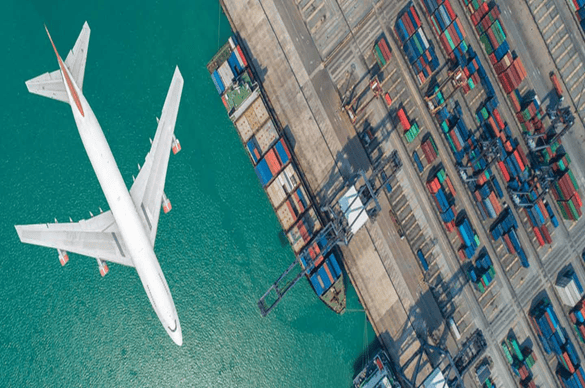
Importing and exporting: Dubai has become a major hub for coffee trading due to its strategic location and excellent infrastructure. With access to major shipping lanes, businesses in Dubai import large quantities of coffee beans and export them to various locations around the world. Moreover, some Dubai based coffee trading companies go a step further and roast and package coffee beans to create their own unique blends that meet the preferences of their clients. This value-addition process allows these companies to stand out from the competition and carve out a niche in the highly competitive coffee industry. The availability of world class roasting and packaging facilities in Dubai, coupled with its thriving coffee trading business, has made it a preferred destination for coffee lovers and traders alike.
Control of quality: The firms operating within the coffee trading industry play an indispensable role in ensuring that the coffee beans they procure meet the most exacting standards of quality and flavor. Dubai stands as a prominent hub for this sector, and these businesses commonly enlist the services of knowledgeable professionals who possess a deep understanding of coffee production, processing, and roasting. These experts conduct rigorous quality control tests to ascertain that the coffee beans satisfy the requisite criteria. Once the coffee beans have been deemed to meet the necessary standards, the trading companies undertake the responsibility of shipping them to their clients, who are typically situated in various regions around the world and include roasters and coffee shops. In essence, Dubai's coffee trading enterprises remain unwavering in their commitment to upholding the highest standards of quality and ensuring that their clientele receive the very best coffee beans.
Trading: The coffee trading companies of Dubai play an indispensable role in facilitating the global coffee trade. To ensure a seamless flow of trade, they act as intermediaries between coffee producers and buyers, skillfully negotiating prices, terms of sale, and logistics. These companies provide a diverse range of services to their discerning clientele, including

The coffee trading industry in Dubai has gained immense prominence owing to the plethora of companies offering indispensable services to coffee producers and buyers worldwide. Dubai, with its efficient logistics network, tax-free status, and burgeoning market for specialty coffee, has emerged as a prime destination for coffee traders seeking to establish themselves in the global marketplace. The emirate's strategic location has bestowed upon it the status of a crucial hub for coffee trading, a distinction that is poised to endure as the coffee industry continues to evolve and expand. Therefore, click here and let us help you in finding the best coffee trading companies near Dubai. We feel delighted to assist you.


 Scroll


 More info


